LED Video Wall for Experiential Spaces
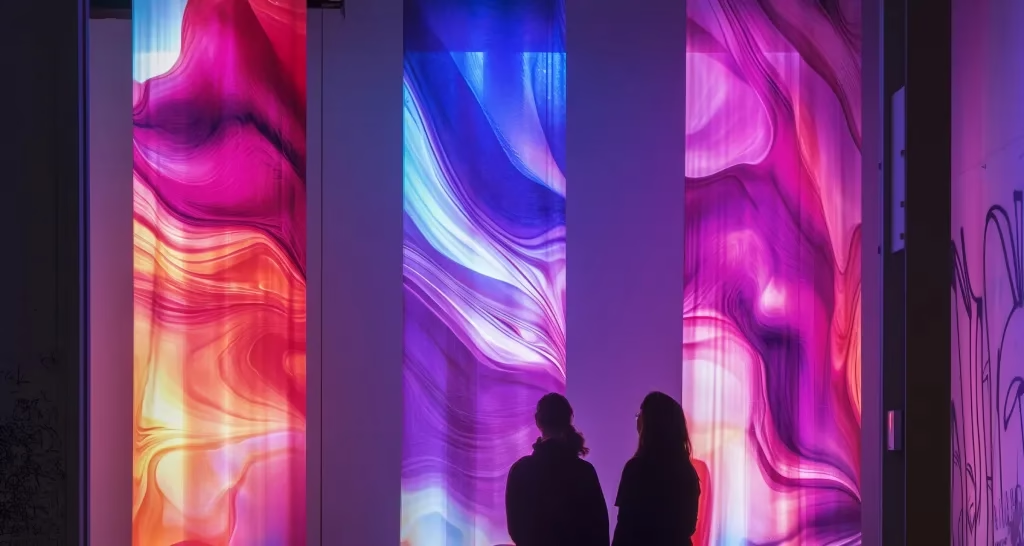
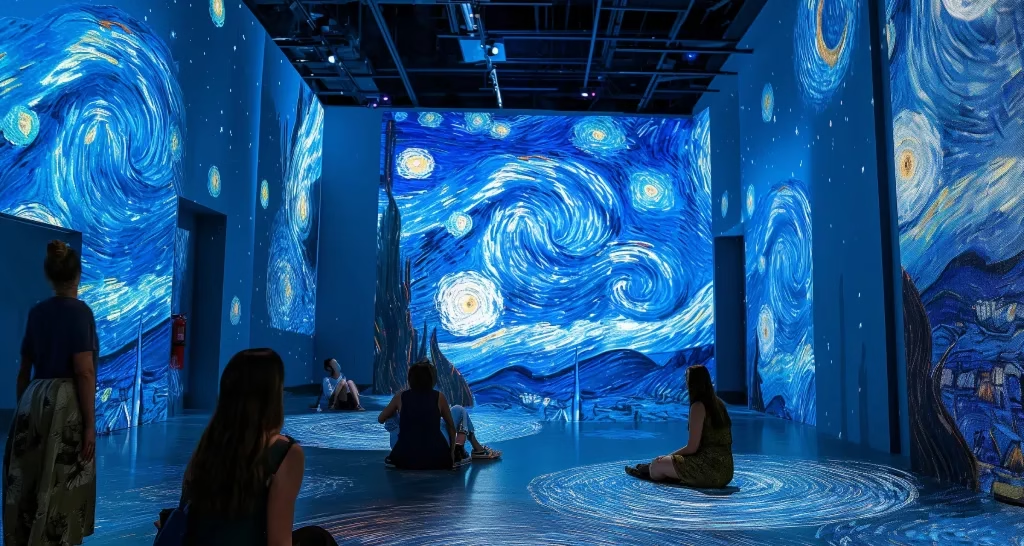
An LED video wall for experiential spaces is no longer just a display. It has become a powerful storytelling medium. Cultural centres, spiritual spaces, museums, retail environments, corporate offices, public installations, and event venues now use LED video walls to create spaces that people can experience, not just observe.
Experiential spaces focus on interaction, emotion, and immersion. LED video walls fit naturally into this goal because they combine scale, brightness, motion, and flexibility. When designed correctly, they guide attention, shape movement, and enhance the overall experience without overpowering it.
This blog explains how LED video walls work in experiential spaces, where they are used, how to choose the right one, and what to consider before investing.
What Is an LED Video Wall for Experiential Spaces?
An LED video wall is a large digital display created by combining multiple LED panels into one seamless screen. It is designed to show high resolution visuals at scale and can be customized in size, shape, brightness, and resolution based on the space.
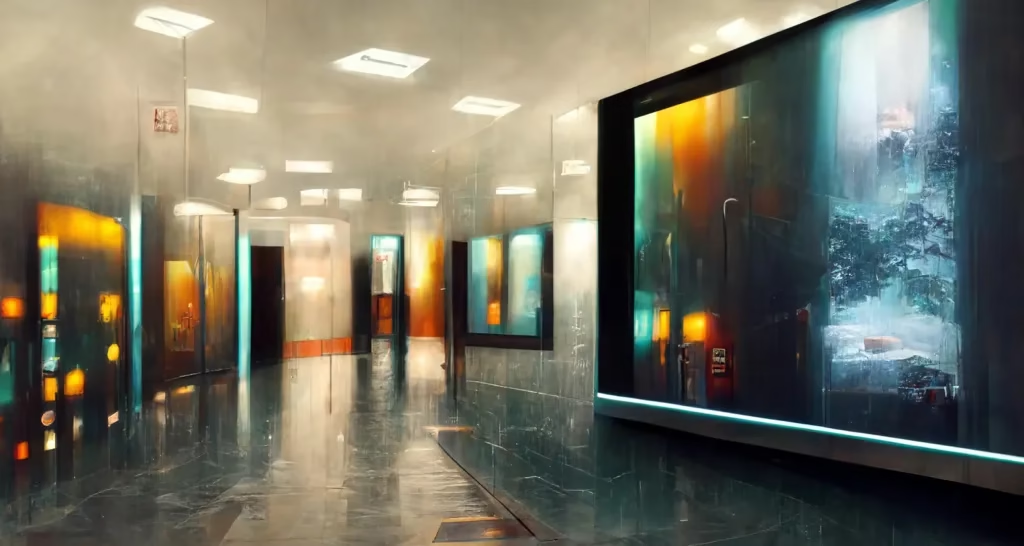
Experiential spaces are designed around how people feel and interact, not just what they see. Instead of passively viewing information, visitors become part of the environment. For example, in a retail experiential setting, a customer doesn’t simply look at products on shelves. They move through a space where visuals, lighting, and motion guide their attention, tell a story, and influence how they connect with the brand. The focus is on creating a memorable journey that encourages exploration, engagement, and emotional connection rather than simple observation.
Unlike conventional screens, LED video walls in experiential spaces can be curved, wrapped around architectural elements, or integrated into walls, ceilings, and floors allowing the visual experience to become part of the space itself.
For a deeper technical understanding of how LED video walls function at a hardware level, this LED video wall technology overview by AVIXA explains key components such as panels, controllers, and image processing.
Why Do Experiential Spaces Need LED Video Walls?
1. Immersion Through Visual Scale
LED video walls create large, seamless visuals that naturally draw people into the space. By filling the viewer’s field of vision, they reduce outside distractions and help visitors focus on the experience as a whole rather than individual elements.
2. Flexibility in Content and Purpose
One of the key strengths of LED video walls is their flexibility. Content can be changed instantly without altering the physical space. This allows the same experiential environment to support different stories, themes, or events over time, making the space adaptable and cost effective.
3. Interactive Engagement
LED video walls can be connected to touch systems, motion sensors, or cameras, allowing the visuals to respond to human actions. This transforms visitors from passive viewers into active participants, increasing engagement and time spent in the space.
4. Long Lasting Experience & Recall
Experiences leave a stronger impression than static visuals or traditional advertising. LED video walls help create moments that people remember, discuss, and associate with the space or brand long after the experience ends.
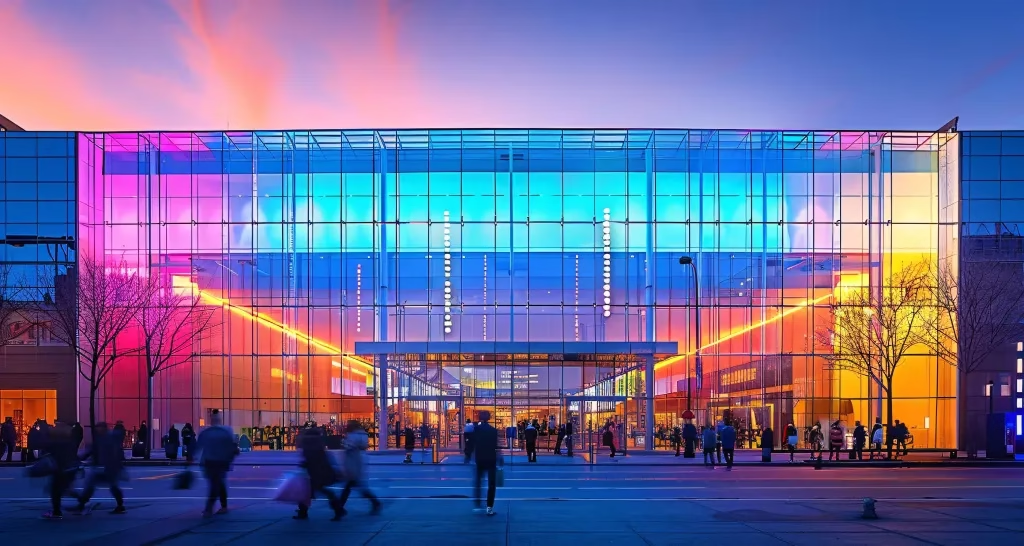
Key Use Cases of LED Video Walls in Experiential Spaces
Retail Experience Zones
Retail brands use LED video walls to:
- Showcase product stories in a visual format
- Display lifestyle driven and contextual visuals
- Create seasonal or campaign based environments
This keeps the space visually fresh and encourages visitors to spend more time exploring.
You can read more about how LED displays influence customer behavior on LED Video Wall for Retail Spaces: 6 Powerful Impacts
Museums & Exhibitions
Museums use LED video walls to:
- Recreate historical or conceptual environments
- Display animated timelines and archival content
- Offer interactive and educational experiences
This approach makes content more engaging and accessible for all age groups.
Corporate Experience Centres
Companies use LED video walls to:
- Present brand journeys and milestones
- Explain complex processes visually
- Host client presentations and demonstrations
These spaces often integrate LED walls with lighting and sound to create a premium experience.
Events and Brand Activations
For product launches and experiential marketing:
- LED video walls act as dynamic backdrops
- Support live feeds and real-time content
- Enhance stage presence and audience engagement
They can be reused across multiple events and campaigns.
Religious & Cultural Spaces
Spiritual and cultural spaces use LED video walls to:
- Create calm, immersive visual environments
- Display symbolic visuals, narratives, or teachings
- Support guided experiences without physical distractions
LED video walls help communicate meaning while preserving the atmosphere of the space.
Hospitality & Public Spaces
Hotels, airports, and public lobbies use LED video walls to:
- Set mood and ambience
- Display digital art or branded visuals
- Share information in a dynamic and engaging way
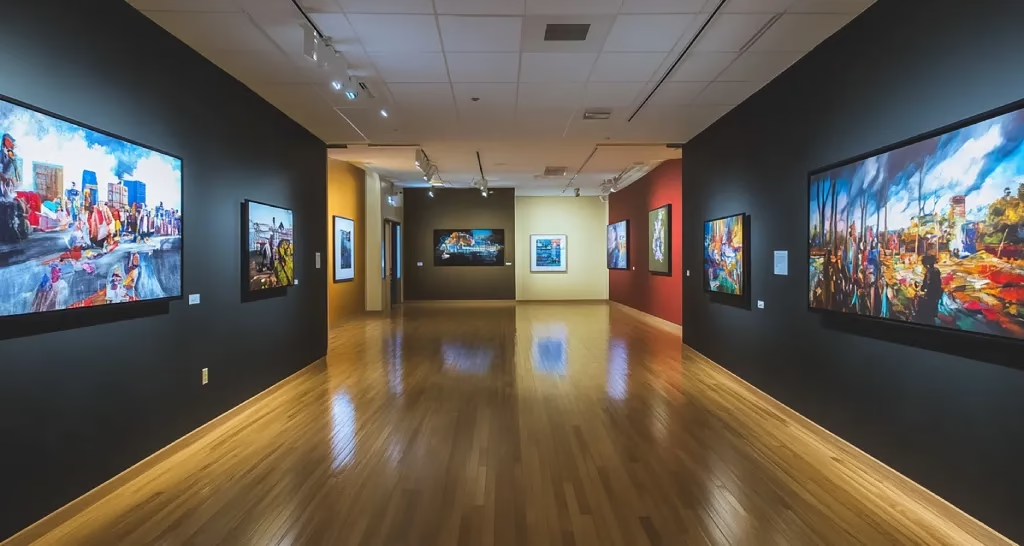
How to Choose the Right LED Video Wall for Experiential Spaces?
Choosing the right LED video wall is not just about screen size or resolution. It depends on how people move through the space, how close they stand, and how they interact with the visuals.
1. Pixel Pitch – How Clear the Visuals Need to Be
Pixel pitch determines how sharp the image appears, especially at close distances.
- Close viewing (1-3 meters): Smaller pixel pitch such as P1.5-P2.5
- Medium viewing (3-6 meters): P2.5-P4
- Long viewing distances: P4 and above
Experiential zones usually require a finer pixel pitch because visitors often stand close to the display and notice detail more easily.
2. Brightness – Matching the Lighting Conditions
Brightness should be selected based on the surrounding light, not maximum output.
- Indoor experiential spaces: 800-1200 nits is generally sufficient
- Areas with strong ambient light: Higher brightness with glare control
Excessive brightness can cause discomfort and visual fatigue, reducing the quality of the experience.
3. Size and Aspect Ratio – Designing for the Space
The size and shape of the LED video wall should be guided by the space itself.
Consider:
- The type of content being shown
- Available wall or surface area
- How viewers move and pause within the space
Content should feel natural on the screen, not stretched or forced into an unsuitable format.
4. Curved or Flat Design – Choosing the Right Form
The physical form of the LED video wall affects how immersive the experience feels.
- Curved LED video walls enhance immersion and work well for storytelling and walkthrough experiences
- Flat LED video walls are better suited for informational displays and structured presentations
The choice should support the intent of the experience.
5. Content Compatibility – Ensuring Smooth Performance
An LED video wall is only as effective as the content it displays.
Make sure the system supports:
- High resolution and smooth video playback
- Real time content updates
- Interactive or sensor based software if required
The hardware, software, and content strategy must work together to deliver a seamless experience.
For a deeper technical breakdown, you can also explore our guide on 10 Crucial Factors for Selecting the Right LED Video Wall Display, which covers display performance, installation, and long term reliability in detail.
What Is the Future of LED Video Walls in Experiential Design?
As experiential design continues to evolve, LED video walls are becoming more interactive, more energy efficient, and easier to integrate with technologies such as AI, sensors, and real time data systems. These advancements allow experiences to adapt to user behaviour and environmental conditions. As a result, LED video walls are steadily replacing static walls and printed graphics in high impact spaces, offering flexible, dynamic environments that can evolve over time without physical changes.
An LED video wall for experiential spaces works best when it is designed around human experience rather than technology alone. Its real value lies in how it shapes emotion, movement, and engagement within a space. When thoughtfully integrated, it becomes part of the environment supporting storytelling, interaction, and long-term impact.
FAQ
If you are planning an experiential space and want guidance on design, technology selection, or implementation, reach out to us for expert support.
Email: info@lightomated.com
Phone: +91-9217709977