LED Video Walls in Museums: Traditional vs Modern Exhibits
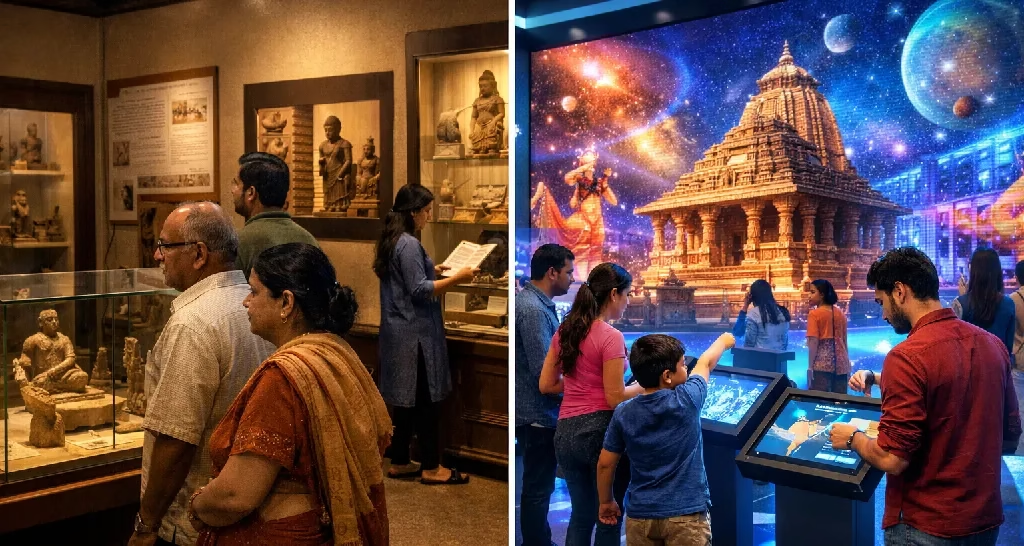
LED Video Walls in Museums highlight the contrast between traditional exhibits that preserve history with care and modern visitors who engage with information very differently today.
While artifacts, archives, and physical displays remain central to museum storytelling, static panels, aging projection systems, and isolated digital screens often struggle to match the visual depth, interactivity, and personalization audiences now experience everywhere else from malls and classrooms to smartphones and digital platforms.
This contrast is not a shortcoming of traditional museums. It reflects how cultural spaces were originally designed for an era of linear, text led learning, while visitor expectations and display technologies have evolved rapidly.
The challenge today is not choosing between traditional and modern exhibits, but finding ways to bring them together modernizing thoughtfully without compromising heritage, architectural integrity, or the authenticity of the stories being preserved.
That’s where LED Video Walls in Museums are increasingly finding relevance. Rather than replacing traditional exhibits, they help museums layer dynamic digital storytelling into existing spaces bridging the gap between time honoured collections and modern visitor expectations.
Why Traditional Museum Displays Struggle to Meet Modern Expectations?
(Beyond Projectors and Screen Size)
When museums begin evaluating digital upgrades, the conversation often starts with brightness, screen size, or resolution. But the real challenges lie deeper at the intersection of traditional exhibition methods and modern visitor expectations.
These challenges are less about technology alone and more about how museums communicate stories in an era shaped by visual, interactive, and on demand information.
1. Traditional Exhibits vs. Evolving Visitor Expectations
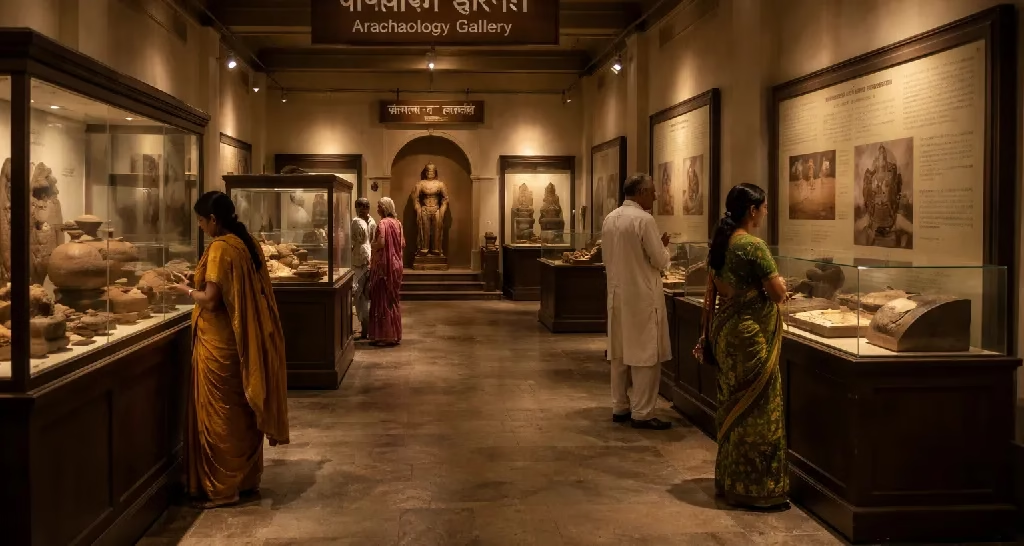
Traditional museum exhibits were designed for linear, text led exploration where visitors read, observe, and move on. Today’s audiences, especially students, families, and younger visitors, engage very differently.
- Long text panels are skimmed rather than read
- Static visuals struggle to convey scale, emotion, or context
- Exhibits feel unchanged across multiple visits
As a result, museums face declining dwell time and limited repeat engagement two indicators that increasingly shape how a modern museum visitor experience is perceived.
This shift toward experience led environments aligns with research in museum user experience, which highlights the growing role of visual engagement, adaptability, and digital storytelling in contemporary exhibition design.
2. Fragmented Digital Layers in Traditional Setups
Many museums have introduced digital elements over time, but often in a fragmented way.
Common scenarios include:
- Standalone screens from different vendors
- Separate systems for signage, AV, and interactive zones
- Manual or vendor-dependent content updates
This piecemeal approach creates a gap between traditional exhibit structures and modern operational needs.
The result:
- Difficulty scaling digital content across galleries
- Slow refresh cycles for exhibitions
- Higher long term operational effort
This is where LED Video Walls in Museums begin to play a role not as isolated additions, but as a unifying digital layer that simplifies content delivery across traditional spaces.
3. Accessibility Gaps in Conventional Exhibit Design
Traditional exhibits were often designed for a single narrative format, which limits accessibility in today’s diverse visitor environments.
Common challenges include:
- Single language displays in multilingual regions
- Text heavy explanations that exclude low literacy audiences
- Limited adaptability for children or differently abled visitors
Bridging the gap between traditional storytelling and inclusive communication requires formats that are visual first, adaptable, and easy to update capabilities that LED Video Walls in Museums support without altering the physical exhibit itself.
4. Operational Inefficiencies of Legacy Display Systems
Older projection systems and legacy display technologies, commonly layered onto traditional exhibits, bring operational challenges:
- Higher power consumption
- Frequent lamp replacements
- Heat generation that impacts HVAC planning
For publicly funded museums, these inefficiencies make modernization harder to justify. Modern LED Video Walls in Museums offer a more predictable, energy efficient alternative that aligns with long term operational planning.
5. Space Constraints in Heritage and Legacy Buildings
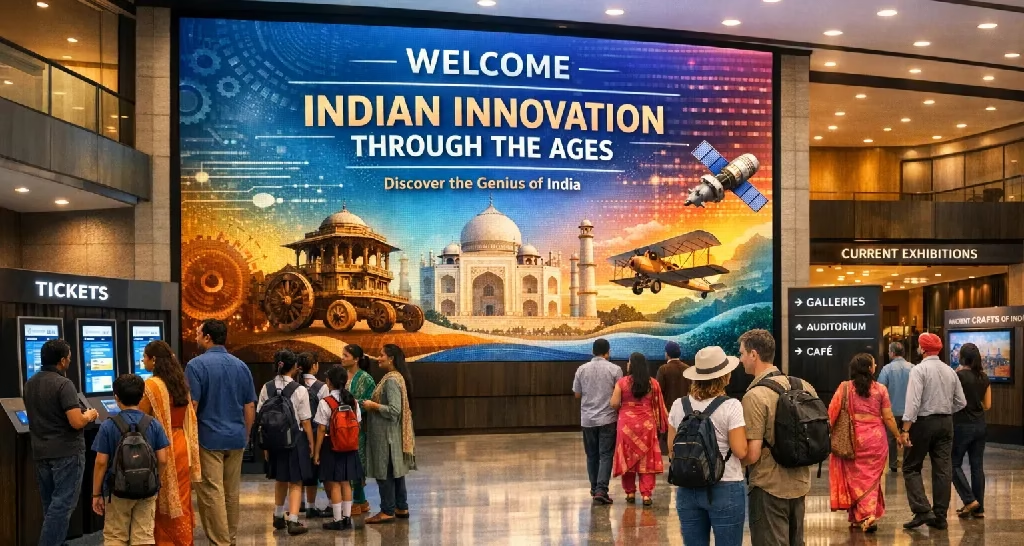
Many Indian museums operate within heritage or legacy structures where traditional architecture defines the visitor flow.
Typical constraints include:
- Fixed ceiling heights
- Restricted structural modifications
- Bulky display setups interrupting circulation
In these environments, the challenge is not adding more technology, but integrating modern storytelling without disrupting spatial harmony. Architects increasingly turn to LED Video Walls in Museums because they can be integrated flush within existing structures while preserving the integrity of traditional layouts.
How LED Video Walls Modernize the Museum Experience?
Modern LED Video Walls in Museums address display challenges not by acting as “bigger screens,” but by reshaping how stories are experienced, remembered, and shared.
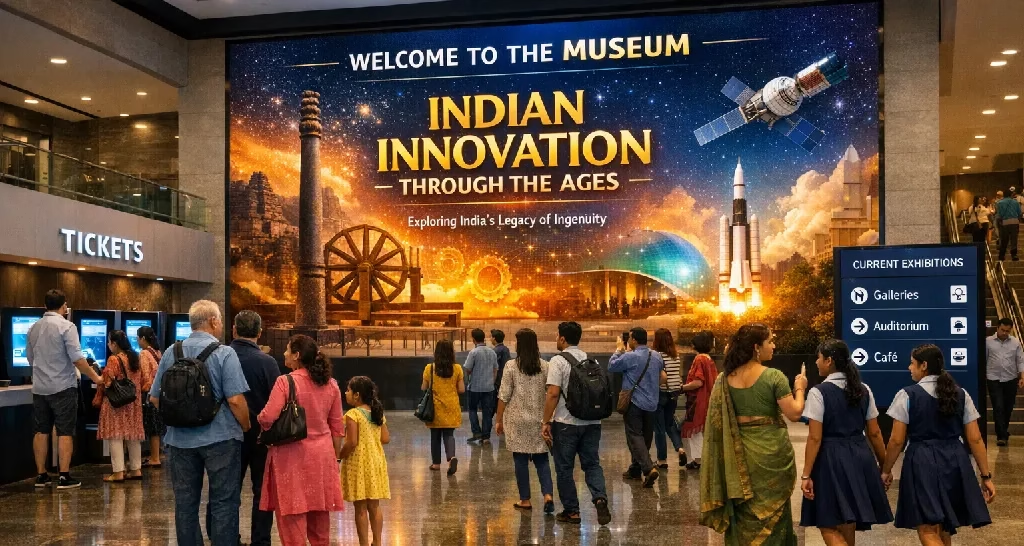
Across cultural and experiential spaces, LED video walls are increasingly used to support immersive storytelling, adaptive content formats, and visually engaging environments that respond to changing visitor expectations making museums feel relevant without losing their authenticity.
From Viewing History to Experiencing It
For visitors, the difference is immediately noticeable.
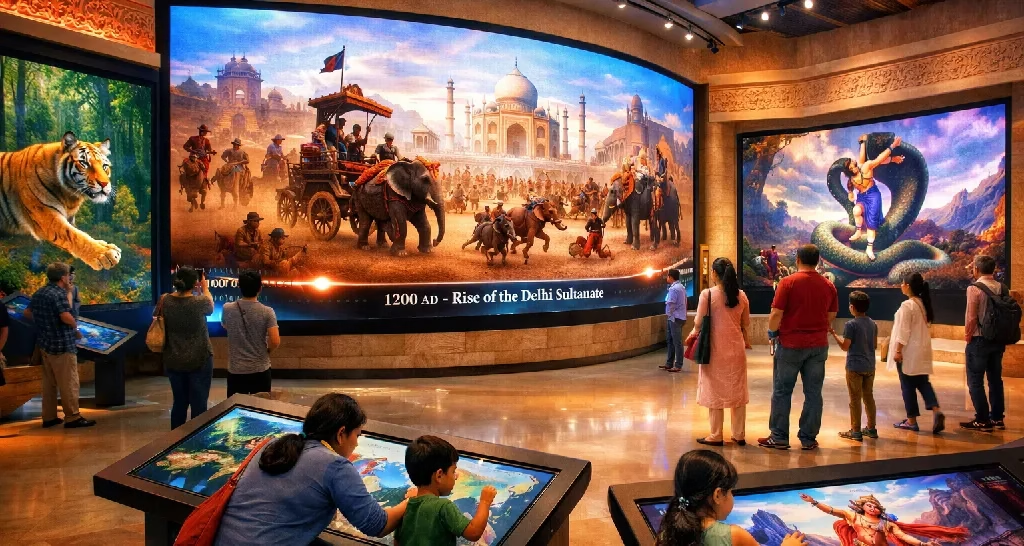
Instead of passively reading long descriptions or observing artifacts in isolation, audiences are placed inside the narrative. Animated timelines, archival footage, ambient soundscapes, and contextual visuals work together to convey scale, emotion, and meaning.
- A freedom movement gallery can immerse visitors in evolving visuals of events and locations
- A science exhibit can demonstrate complex processes dynamically instead of relying on static diagrams
- Cultural artifacts gain deeper context through living backdrops that explain why they matter
This shift turns museum visits into memorable experiences, increasing emotional connection and time spent within galleries.
Immersive Experiences Increase Visitor Footfall
When museum exhibits feel dynamic and engaging, visitor behavior changes.
Immersive LED environments encourage:
- Longer dwell time in galleries
- Higher likelihood of repeat visits due to refreshed content
- Stronger word of mouth and social sharing
- Increased interest from younger audiences and school groups
By offering evolving visual narratives, museums create reasons for visitors to return directly contributing to higher footfall without altering core collections.
Modern LED displays for museums are increasingly used across experiential spaces to support immersive storytelling, adaptive content formats, and visually engaging environments that evolve with visitor expectations.
Key Capabilities That Matter to Museum Stakeholders
1. Seamless Content Updates Across Exhibits
Modern LED displays for museums integrate easily with centralized content management systems.
- Update visuals without physical changes
- Rotate exhibitions digitally
- Schedule seasonal or event based content
For visitors, this means exhibits feel fresh and relevant, even on repeat visits directly supporting return footfall.
2. Multi Zone Displays for Diverse Audiences
A single LED video wall can be logically divided into zones:
- One section for child friendly visuals
- Another for deeper historical or academic context
- A third for multilingual explanations
This layered storytelling ensures different audiences find content that resonates with them, improving engagement across age groups and visitor profiles.
3. Improved Energy Efficiency
Modern LED panels are designed for:
- Lower power consumption per square meter
- Longer operational lifespans
- Reduced maintenance cycles
These efficiencies allow museums to extend operating hours or expand digital experiences without proportional cost increases.
4. Space Optimization in Heritage & Legacy Buildings
Unlike bulky projector setups:
- LED video walls don’t require projection distance
- They integrate flush with walls or custom structures
- Viewing quality remains consistent in ambient light
For visitors, this results in cleaner sightlines, better flow, and fewer visual obstructions, enhancing overall comfort and immersion.
Factors to Consider Before Upgrading Museum Displays
If you’re evaluating museum technology upgrades, start with questions like:
- How often do we update exhibit content today?
- How easily can we add new languages or formats?
- Can our current setup scale for future exhibitions?
The answers usually reveal whether your display systems are helping or holding you back.
Next Steps
If your museum is planning a display upgrade or rethinking visitor experience design, taking a structured and consultative approach can help avoid short term fixes and long term constraints.
Speaking with a visual experience consultant like Lightomated allows you to assess how LED video walls could support your space, content strategy, and operational needs without compromising architectural or heritage considerations.
LED video walls in museums are no longer about visual impact alone. They are about closing experience gaps, simplifying infrastructure, and future proofing cultural spaces while respecting the stories museums exist to preserve.
FAQ
For more information or professional guidance, connect with our team:
Email: info@lightomated.com
Phone: +91-9217709977