How Does Heat Affect LED Video Wall Performance?
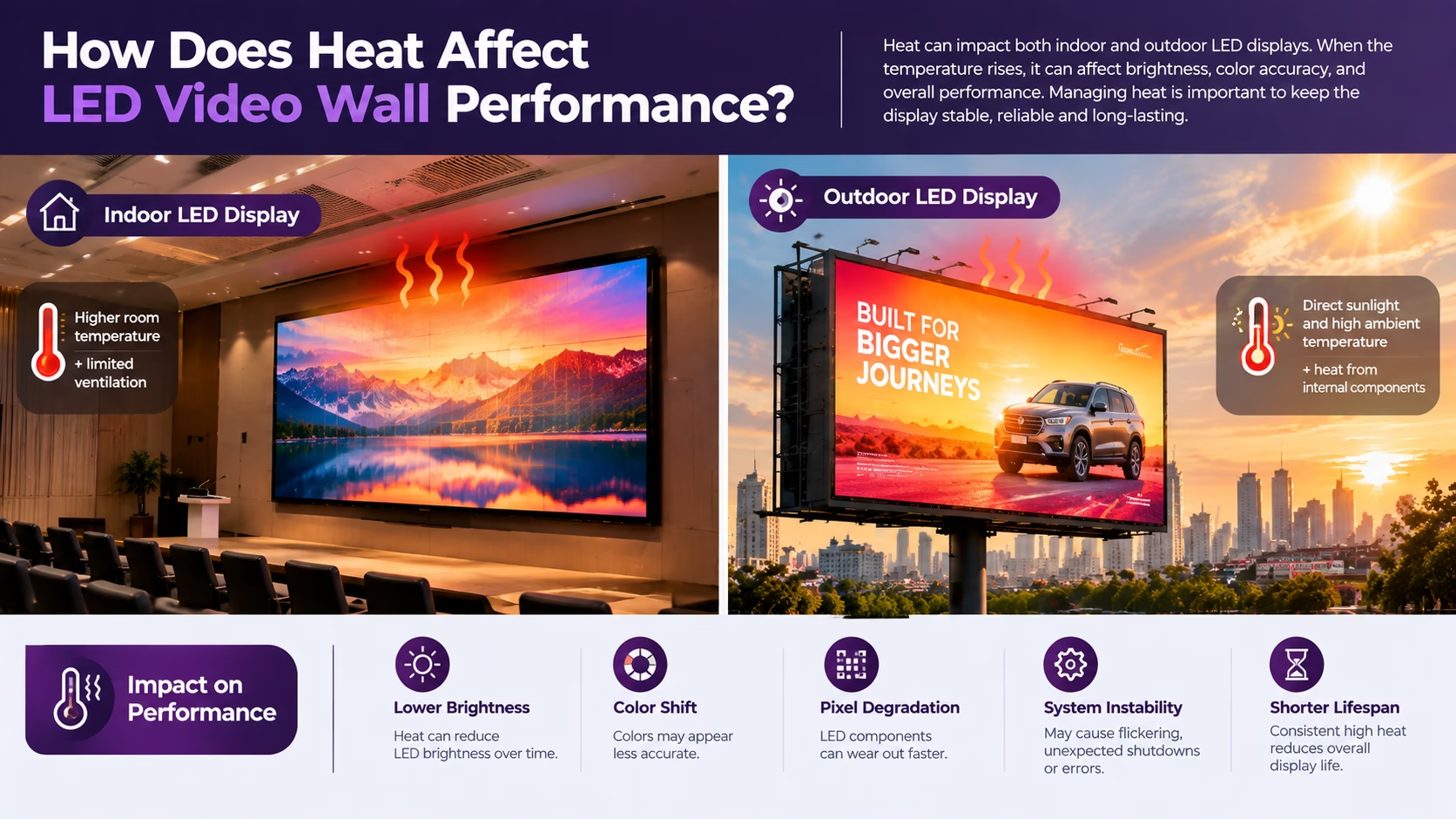
Heat is a normal part of LED video wall operation. LED modules, power supplies and electronic components generate heat while working. The concern begins when this heat cannot dissipate efficiently and starts building up inside the display.
This becomes especially important when an LED video wall is expected to operate for extended hours every day. A system that performs well during short usage may require stronger thermal planning for continuous operation. The installation environment, display size, brightness requirements and expected operating hours should therefore be considered when planning an LED video wall.
Where Does Heat Come From in an LED Video Wall?
The LED module is one of the primary sources of heat. LEDs convert electrical energy into light, and a portion of the electrical energy is released as heat during operation.
Power supplies also generate heat while converting incoming electrical power into the voltage required by the display. Receiving cards, controllers and other electronic components contribute to the overall internal thermal load. the surrounding environment can add more heat. An indoor LED video wall installed in a warm room, enclosed area or location with restricted airflow may retain heat. Outdoor LED displays can receive additional heat from direct sunlight and high ambient temperatures.
Heat is not caused only by hot weather; the LED system itself continuously produces heat while operating.
| Heat Source | How It Contributes to Heat |
| LED modules | Generate heat during light output |
| Power supplies | Release heat during power conversion |
| Electronic components | Add to the internal thermal load |
| Room or ambient temperature | Makes heat dissipation more difficult |
| Direct sunlight | Adds external heat to outdoor cabinets |
How Does Heat Build Up in Indoor vs Outdoor LED Displays?
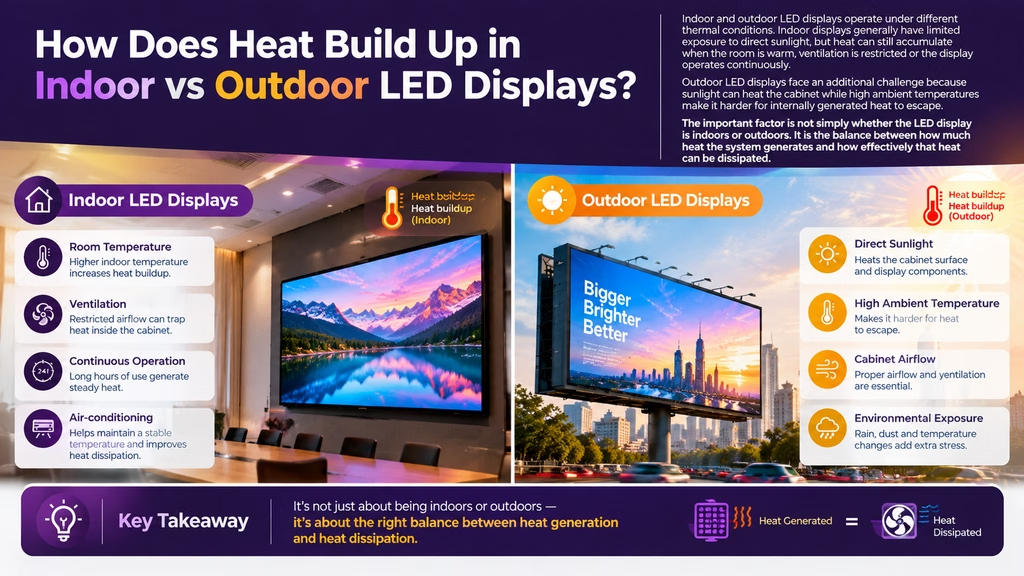
Indoor and outdoor LED displays operate under different thermal conditions. Indoor displays generally have limited exposure to direct sunlight, but heat can still accumulate when the room is warm, ventilation is restricted or the display operates continuously.
Outdoor LED displays face an additional challenge because sunlight can heat the cabinet while high ambient temperatures make it harder for internally generated heat to escape. Suitable cabinet airflow and installation conditions therefore become important.
The important factor is not simply whether the LED display is indoors or outdoors. It is the balance between how much heat the system generates and how effectively that heat can be dissipated.
| Factor | Indoor LED Display | Outdoor LED Display |
| External heat source | Mainly room temperature | Sunlight and ambient temperature |
| Sun exposure | Usually limited | Can be significant |
| Ventilation | Depends on room and installation | Cabinet airflow is important |
| Temperature variation | Generally more controlled | Can vary considerably |
| Main thermal concern | Heat accumulation | Heat generation plus environmental exposure |
Thermal problems can develop gradually, which is why managing heat early helps protect consistent display performance.
How is Heat Controlled in an LED Video Wall?
Heat cannot be completely eliminated from an operating LED video wall. The practical objective is to make sure that the heat generated by the system can be released effectively.
Cabinet design plays an important role. Appropriate internal space and airflow paths help move heat away from sensitive components. Installation should also provide suitable clearance and ventilation instead of trapping warm air around the display.
The power system should match the LED display configuration and operating requirements. Brightness levels and continuous operating hours can also influence the amount of heat generated.
For indoor installations, Audio Visual Integration, room temperature, air-conditioning and ventilation should be considered. For outdoor installations, cabinet airflow, sunlight exposure and environmental conditions require additional attention.
| Heat Management Area | What Needs to Be Considered |
| Cabinet design | Airflow and heat dissipation |
| Installation | Clearance and ventilation |
| Power system | Suitable capacity and configuration |
| Operating conditions | Brightness and operating hours |
| Site conditions | Indoor temperature or outdoor exposure |
How Can an LED Video Wall Maintain Consistent Performance?
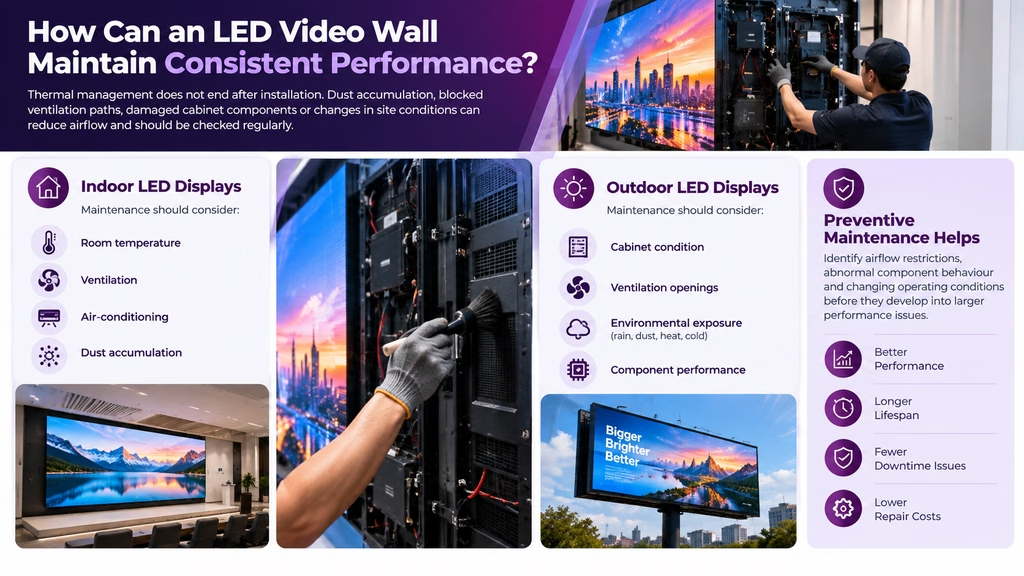
Thermal management does not end after installation. Dust accumulation, blocked ventilation paths, damaged cabinet components or changes in site conditions can reduce airflow and should be checked regularly.
For indoor LED displays, maintenance should consider room temperature, ventilation, air-conditioning and dust accumulation. For outdoor LED displays, cabinet condition, ventilation openings, environmental exposure and component performance require regular inspection.
Preventive maintenance helps identify airflow restrictions, abnormal component behaviour and changing operating conditions before they develop into larger performance issues.
How Lightomated Supports Reliable LED Video Wall Performance?
Lightomated can support this process through LED display selection, installation and maintenance support. By considering thermal requirements during system planning and continuing with preventive maintenance, businesses can maintain more stable LED video wall performance over time.
Consistent LED video wall performance comes from the right display configuration, proper installation, controlled operating conditions and preventive maintenance.
Planning an LED Video Wall? Get the Thermal Setup Right
Heat management starts before the LED video wall is installed. From choosing the right display configuration to planning airflow, installation conditions and preventive maintenance, every factor can influence long-term performance.
Lightomated helps businesses plan, install and maintain LED video wall solutions with the operating environment and thermal requirements in mind.
Looking for the right LED display for your space? Talk to Lightomated about your project requirements.
📞 +91-9217709977
✉️ info@lightomated.com